Inside the 450 Test Kitchen: What I’m Working On Right Now
Affiliate disclosure: I may receive a small commission if you buy through my link, at no extra cost to you.
Lately, I’ve been thinking about the difference between cooking and actually learning how to cook. For a long time, like a lot of people, I approached the kitchen one meal at a time. For years recipes were foreign to me. I cooked by feeling. As a reulst the results of my cooking were mixed, because I had no base.
After years of “fixing food” and feeling frustrated with constant failures, I discovered the book Salt, Fat, Acid, Heat: Mastering The Elements of Good Cooking on Netflix which led me to purchase the book. It changed my thought process when I stepped into the kitchen. I still only found recipes that looked easy enough, somewhat followed the steps, hope it worked out, then move on to the next thing. Sometimes that gets food on the table, and there is nothing wrong with that. But more and more, I’ve realized that what I want from the kitchen now is deeper than that.
I do not just want a few dishes I can make. I want skill. I want fluency. I want a better understanding of why something works, why something fails, and what to adjust next time without having to start from scratch every single time.
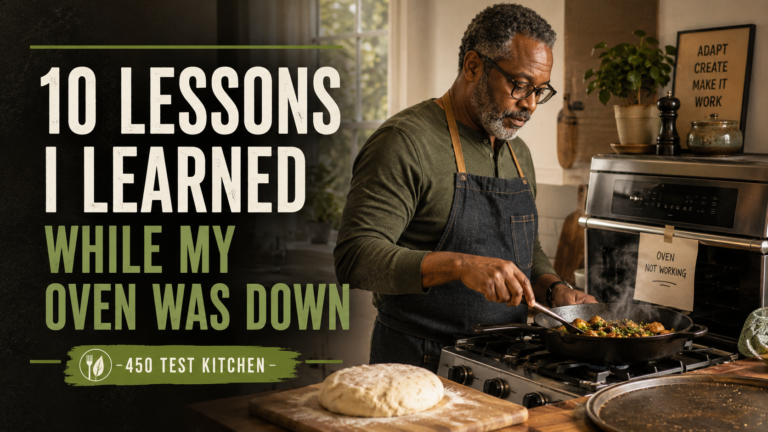
That’s what the 450 Test Kitchen means to me. Not just a place where I’m trying recipes. It’s a place where I’m learning techniques and paying closer attention to the process. Trying to understand the foundations underneath the food, because I’ve started to believe that better technique will carry me further than a stack of random recipe cards ever could. A recipe might show you how to make one dish. Technique teaches you how to think in the kitchen. And that changes everything.
That means I’m looking harder at the basics.
- Heat
- Salt
- Timing
- Texture
- Mixing
- Resting Dough(When Baking)
I had a simple understanding of the above terms but terms and concepts like Browning. Fermenting. Milling. Folding. Searing. Curing? I got lost fast. The kind of things that can sound simple but how they are applied will shape the final result. It’s easy to skim past details when you are rushing to make dinner. It’s different when you start seeing them as the actual lesson.
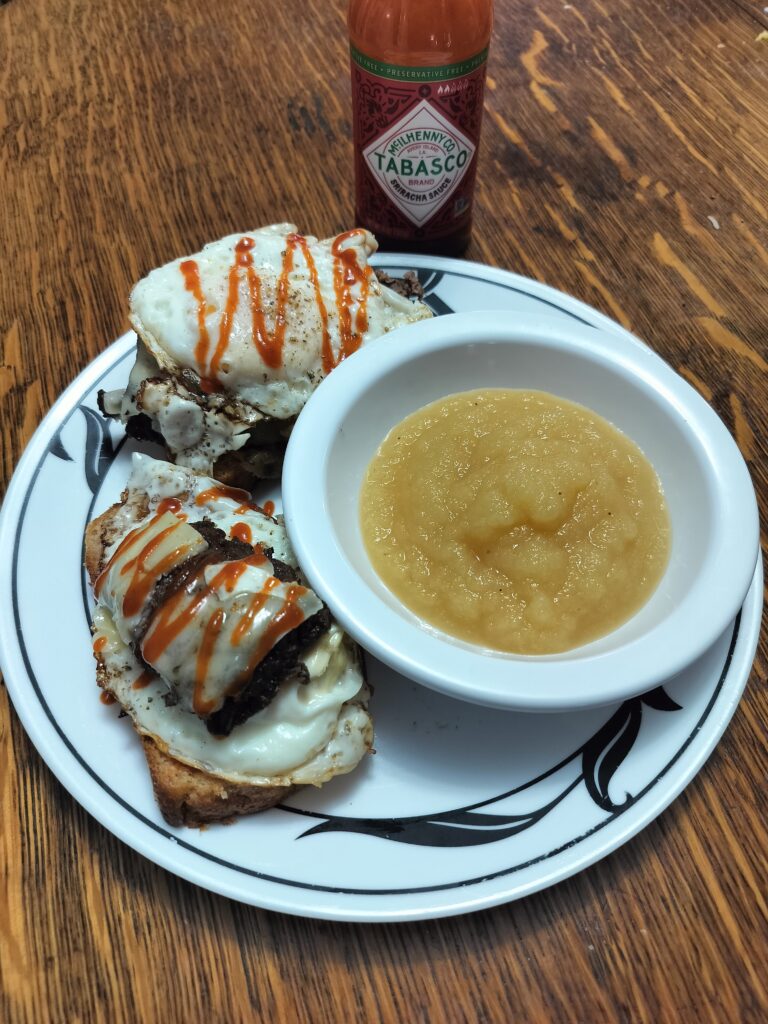
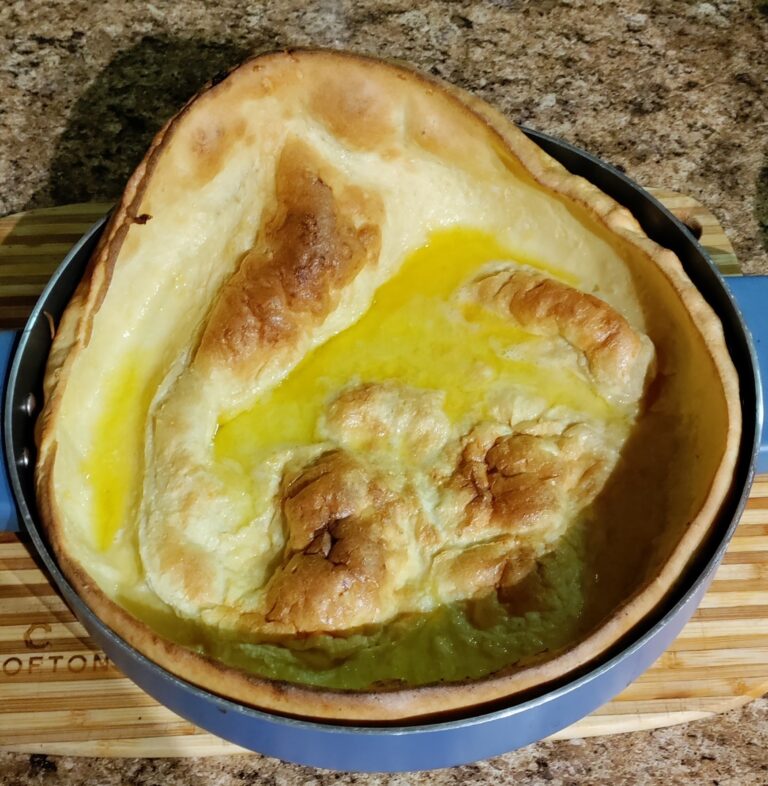
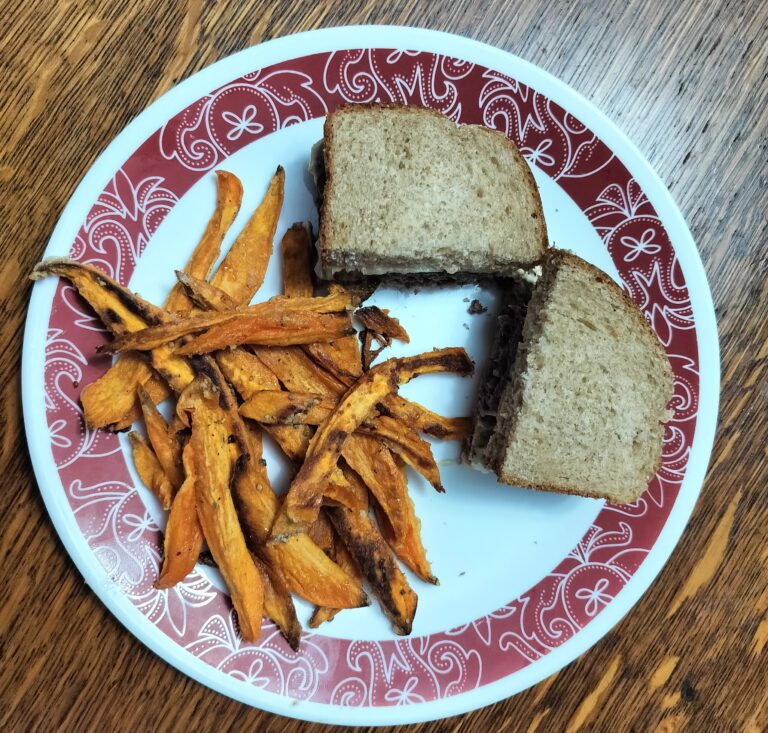
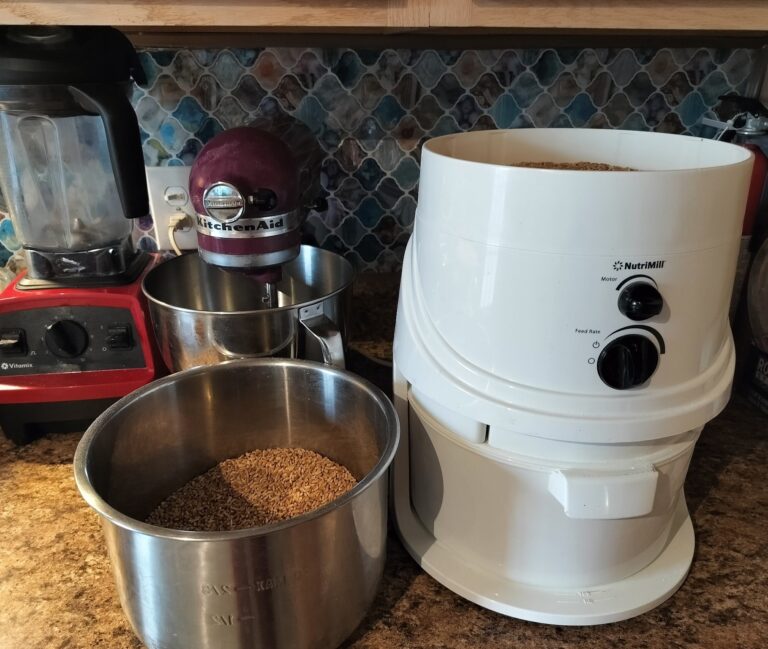
One glaring example is how it took me twenty years to realize my wife was not a morning person. That realization changed how I approached cooking. Remember me saying I was good at “fixing food” earlier? Suddenly it hit me knowing how to fix food and cooking were two different things and at the time I didn’t know what to do to change things. That shift also changed the way I look at the kitchen tools around me too. The grain mill is not just a gadget. It’s a way of understanding flour differently. The mixer is not just there to do labor for me. It teaches me something about structure, timing, and dough. Even something as straightforward as learning salt curing or getting more comfortable with breakfast basics becomes less about “I made this one thing” and more about “I’m learning a method I can use again.”
That matters to me. At this stage of life, I’m not interested in collecting food experiences for the sake of novelty. I’m interested in building competence. I want the kind of kitchen confidence that comes from repetition, attention, and understanding. Not perfection. Not performance. Just a steadier hand and a clearer eye. The kind of confidence that lets you trust yourself a little more each time you cook.
That is also why this part of FFPC feels important to me beyond food itself. Learning technique requires patience. It requires humility. It requires being willing to not know, to try again, to slow down, to notice more. The kitchen starts to feel like a mirror. You stop chasing shortcuts. You start caring more about what holds up. You realize that foundations matter. And you understand that getting better usually looks less glamorous than people think. It often looks like doing ordinary things with more care.
So right now, that’s what I’m working on in the 450 Test Kitchen. Not just making food. Learning how to work better in the kitchen. Learning techniques that improve the results. Learning methods that carry over. Learning how ingredients behave. Learning how to trust processes more than impulse. Over time, I think that kind of learning leads to better meals, yes, but also to something more useful: a kitchen life that feels less random and more rooted.
That’s the kind of cooking I want to build from here. With that in mind are you more drawn to recipes, techniques, or a mix of both?
I am still testing, still adjusting, and still learning which techniques actually work in real life.