Style for Big Bodies in Midlife: Comfort Is Not Giving Up
“Gen X doesn’t dress for the body we had at 25. We dress for the life we’re living at 50.”
Intro
Somewhere along the way, comfort got labeled as “letting yourself go.” That’s nonsense. Dressing well in midlife is about fit, function, and feeling like yourself — not chasing trends. Let’s face it, all our lives we have been trendsetters. We take what is popular and make it our own by any means necessary.
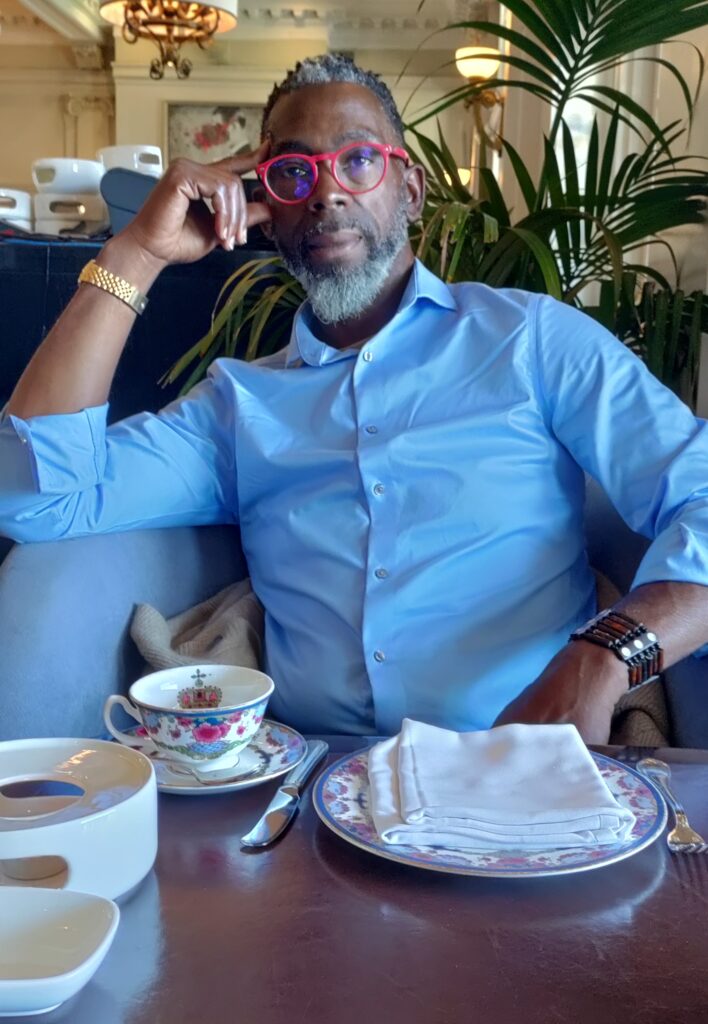
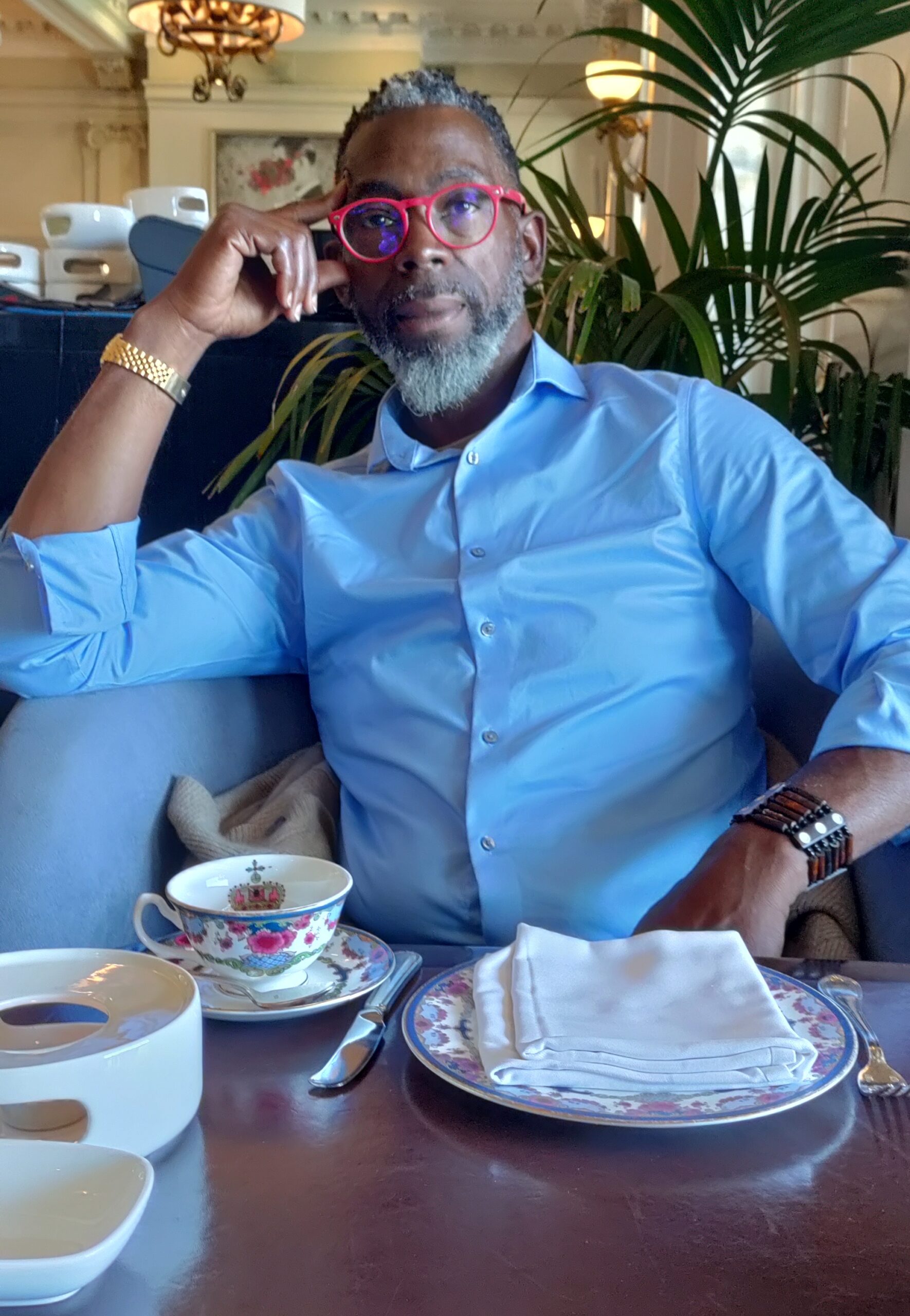
My Style Rules
- Clothes should work with your body
- Fabric matters more than size tags
- Tailoring is self-respect
What I Actually Wear


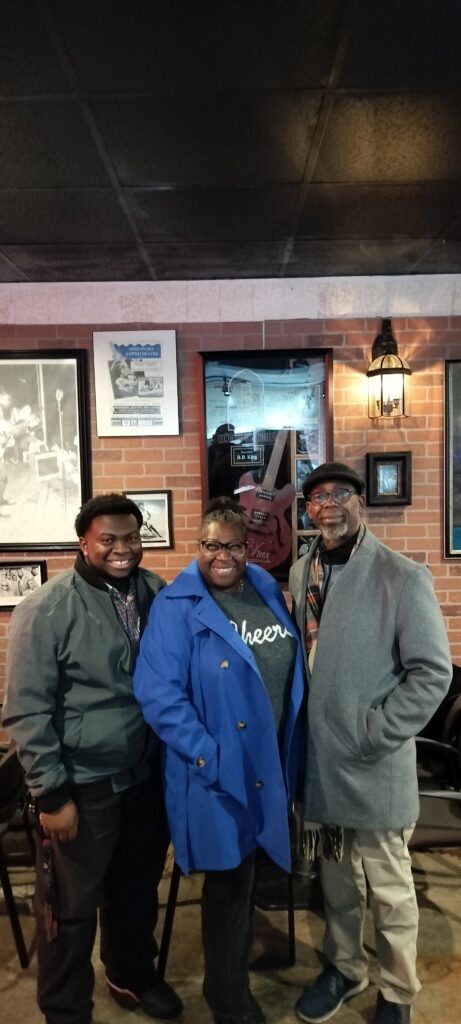
The Body Has History
By midlife, our bodies have mileage.
For me, it is bad back, knees, ankles, and shoulders
Maybe it’s a shoulder that never fully forgave that old injury.
Maybe it’s blood pressure meds, a little belly that wasn’t there at 35, or the simple reality that recovery takes longer than it used to.
That isn’t failure. That’s biology.
Muscle mass shifts. Hormones change. Connective tissue loses elasticity. That’s physiology, not weakness. Fighting that reality through clothing—squeezing into cuts designed for 22-year-olds—creates daily friction.
And friction adds up.
Clothes that dig into your waist, pull across your chest, or restrict your stride don’t motivate you. They distract you. They quietly remind you that you’re “supposed” to be different.
Comfort removes friction. And removing friction is a performance strategy.
Big and Active Is Not a Contradiction
One of the quiet lies in fashion is that size and movement don’t belong together.
But look around. Big bodies hike. Lift. Travel. Lead meetings. Chase kids. Stand on retail floors for hours. Show up to community events. Train. Sweat.
Style for big bodies in midlife has to respect activity. That means:
- Real range of motion in the shoulders.
- Rise that accounts for sitting and standing.
- Fabrics that breathe under pressure.
- Cuts that don’t assume you’re trying to hide.
You’re not hiding. You’re living.
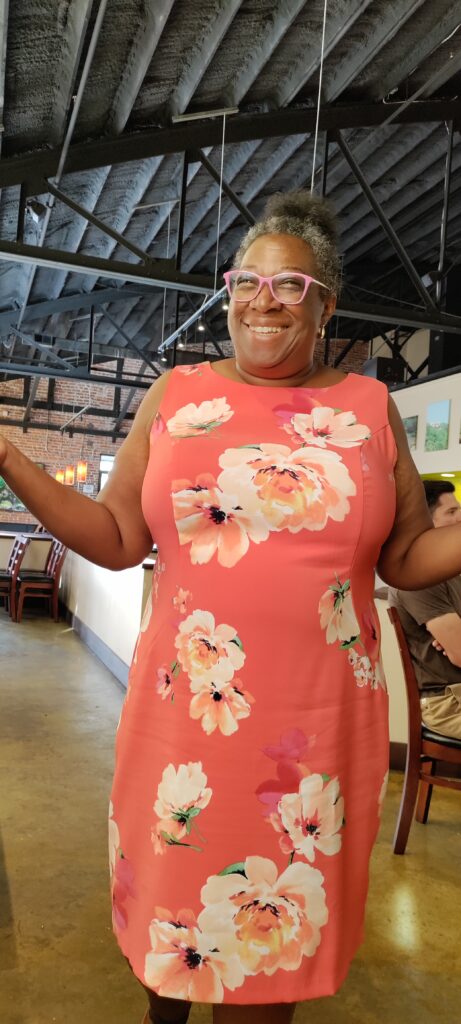
The Psychology of Fit
There’s research in behavioral psychology that shows small, repeated stressors compound over time. Ill-fitting clothes are exactly that: micro-stressors.
If you spend eight hours adjusting your shirt, pulling at your waistband, or worrying about how something hangs, your cognitive load increases. Your mental energy drains.
Clothing that fits reduces that load.
It frees attention for more important things: work, relationships, creativity, and health.
Comfort doesn’t dull ambition. It preserves it.
Redefining “Trying”
Trying doesn’t have to mean squeezing.
Trying can mean:
- Choosing quality over trend.
- Investing in tailoring when needed.
- Understanding your proportions instead of fighting them.
- Building a rotation that works for your actual week.
There’s discipline in that. There’s pride in that.
Midlife style isn’t about chasing youth. It’s about expressing competence, stability, and confidence without apology. And confidence doesn’t come from pain.
What are you wearing today? Share with the class to show off what you are working with