Slacker Wellness: Movement That Doesn’t Punish You
If movement feels like punishment, it won’t last. I don’t care how motivated you are on Monday. By Thursday, punishment loses.
When COVID hit, and everything slowed down, I finally had to sit still long enough to pay attention to my body. And what I saw wasn’t a blank slate. It was a body with history. Old injuries. Old mileage. Years of starting and stopping. Years of trying to “get back” to something.
I had no interest in getting back.
I just wanted to feel better.
The only thing I was willing to do was walk.

That was it. No comeback story. No dramatic pivot. During my 30-minute lunch break, I’d go outside and walk. Some days it felt almost embarrassingly small. I’d think, “This can’t be enough.” But it was enough for that version of me.
What I didn’t realize at the time was that I wasn’t building distance. I was building trust.
Trust with my joints. Trust with my recovery. Trust in myself.
Weeks went by. Then months. I kept walking. Nothing flashy. No announcements. Just repetition. My knees complained less. My energy steadied out. I didn’t feel wrecked at the end of the day.
A year later, I was hiking up to ten miles at a time. Not because I pushed through pain. Not because I proved something. Because I let it build. Slow. Steady. Patient.
And I never tried to reclaim what I could do in my twenties. That wasn’t the goal. That body doesn’t exist anymore. Chasing it would have been ego, not wisdom. Midlife has different rules.
Movement now has to pass a few quiet tests for me. It has to feel good after I’m done. Not easy, but good. I should feel worked, not wrecked. It has to be something I can recover from without old injuries flaring up. And it has to be something I’m willing to repeat next week.
If I won’t repeat it, it doesn’t matter how effective it looks on paper.
That’s why walking counted. That’s why hiking counted. When I added strength training, it was controlled and measured. Not punishment. Not penance. Just progression.
A lot of us were raised on the idea that exercise is corrective. You eat too much, so you burn it off. You gain weight, so you go harder. That mentality turns movement into a consequence.
Consequences don’t build longevity. Support does.
Sample Movement Timeline
Month 1–2
I walked for 15–30 minutes. Distance didn’t matter. Pace didn’t matter. I just focused on moving consistently without aggravating old injuries.
Month 3–4
Walking started to feel normal. I stopped overthinking it. I stopped asking myself if it was “enough.” Showing up was enough.
Month 5–6
I extended some walks beyond my lunch break when time allowed. Movement wasn’t something I squeezed in anymore — it was becoming part of my routine.
Month 7–9
Weekend walks got longer. I didn’t force it. I just let my endurance build. My body was adapting without me trying to prove anything.
Month 10–12
Longer hikes were realistic. I could feel that I was stronger than I had been twelve months earlier — not because I rushed the process, but because I stayed consistent.
When I stopped trying to dominate my body and started trying to support it, everything changed. My consistency improved. My mood improved. My confidence improved — not because I was crushing workouts, but because I was keeping promises to myself.
Slow and steady wins the race isn’t a slogan. It’s biology. The body adapts to what it can recover from. Small stress, applied consistently, compounds. Big stress, applied sporadically, breaks you down.
Three moderate sessions a week for a year will beat three weeks of heroics followed by burnout. Every time.
I didn’t need to be who I was at twenty-five. I needed to be strong enough for the life I have now. To hike. To work. To move without negotiating with my joints every morning.
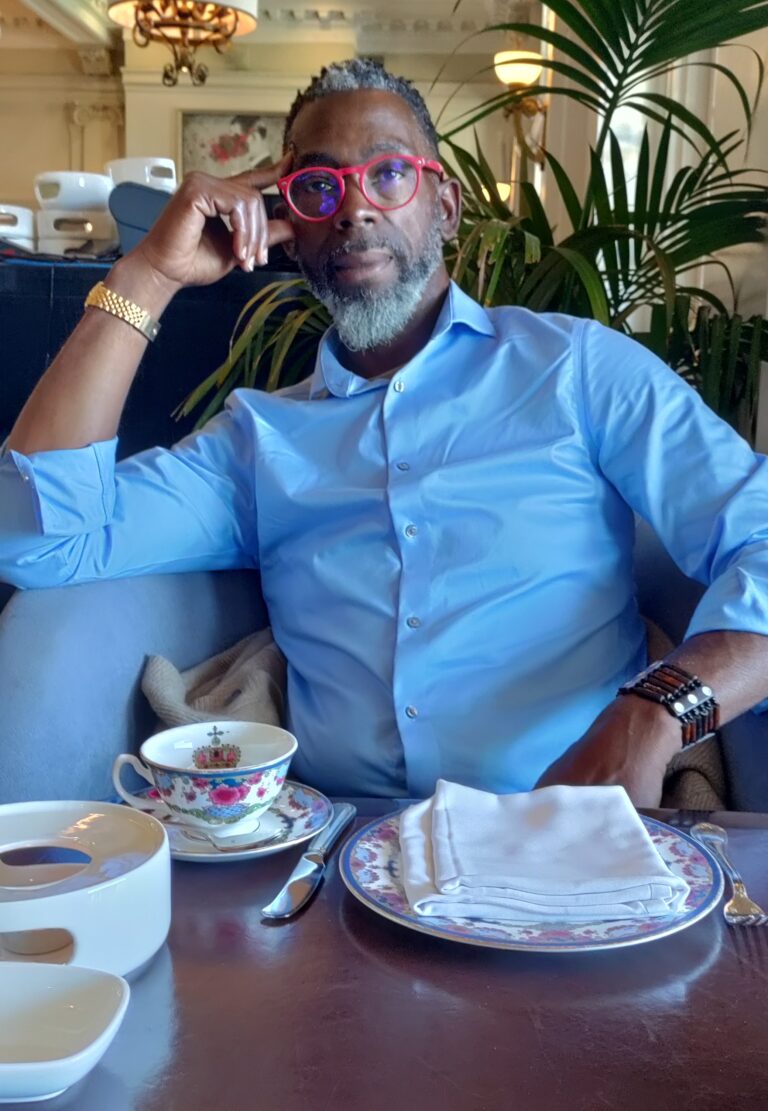
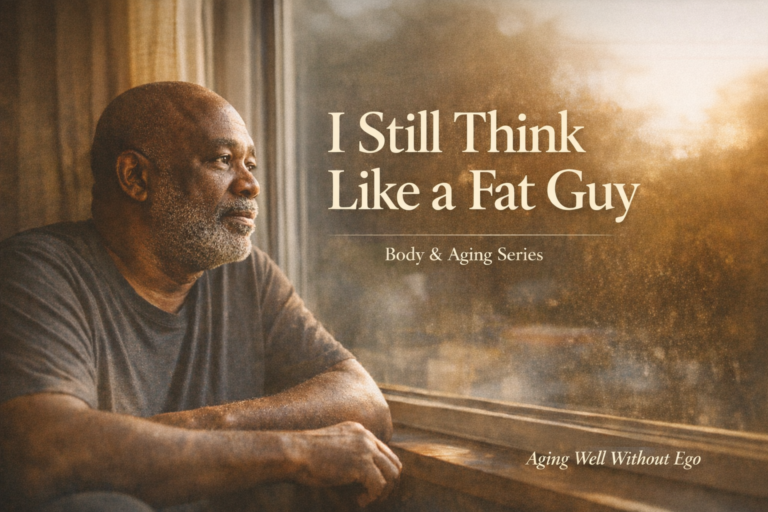
Midlife movement isn’t about domination. It’s about durability. It’s about staying capable. In the photos below, I still to this day identify with the body I had in 2019. Though I am for sure smaller, I still think like the “big guy” and probably always will.



Start Here
If you’re starting — or starting again — keep it simple.
Pick one form of movement you don’t hate.
Schedule it twice this week.
Protect that time like it matters — because it does.
Keep it small enough that you can recover.
Stop before you feel wrecked.
Notice how you feel the next day.
At the end of two weeks, don’t ask, “Did I lose anything?”
Ask, “Do I feel stronger? Clearer? More capable?” Then build from there.
You don’t have to win the week. You just have to show up again. And again. That’s how durability is built.