When Grinding Flour at Home Finally Clicked
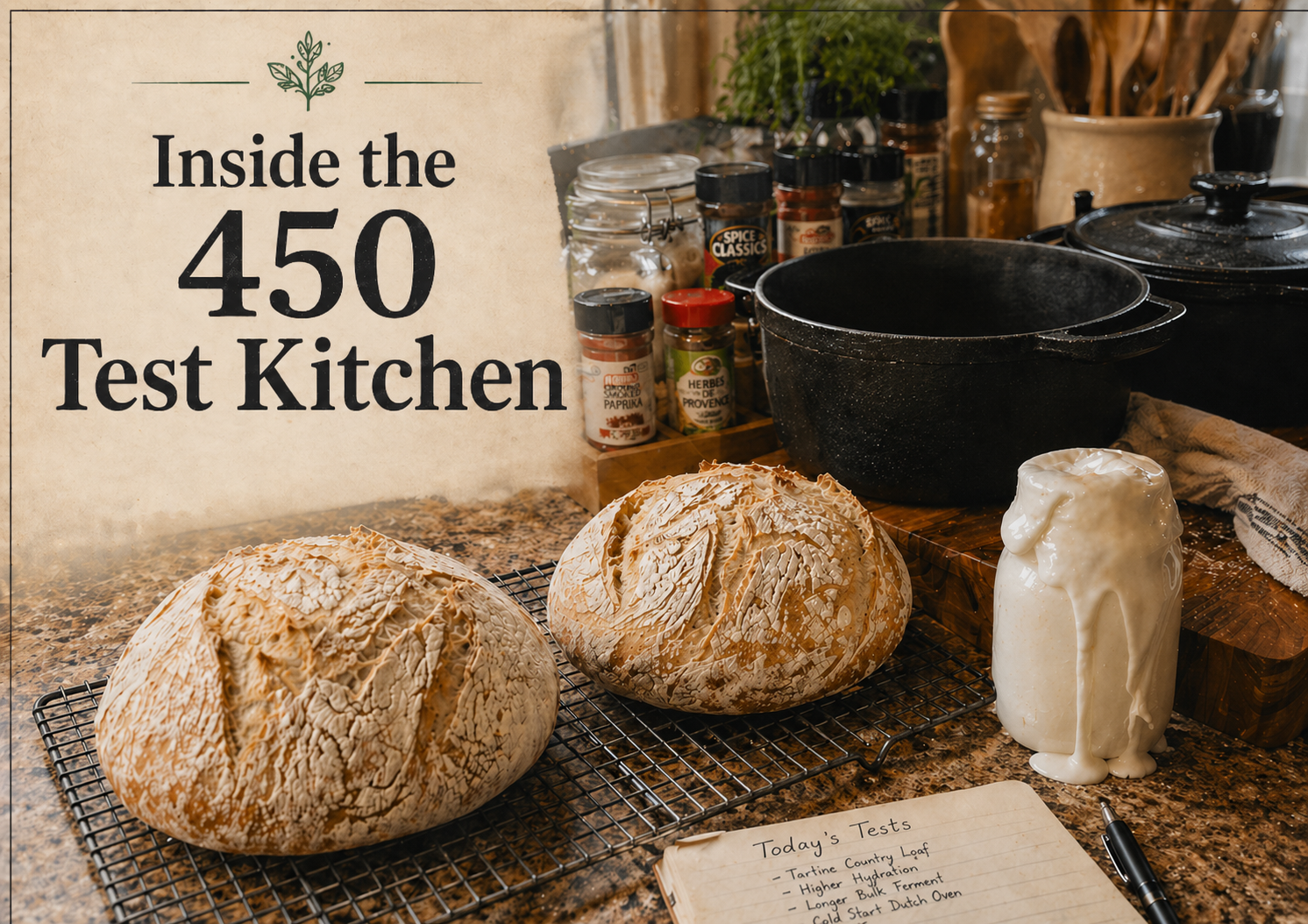
Grinding flour at home did not come to me by divine inspiration or anything cool like that. During COVID, like everybody else I started looking into baking bread at home. At this point, grinding flour was nowhere on my radar. Just like everybody else, I also made the mistake of attempting sourdough, not realizing it was advanced-level baking and something a novice baker SHOULD NOT attempt.
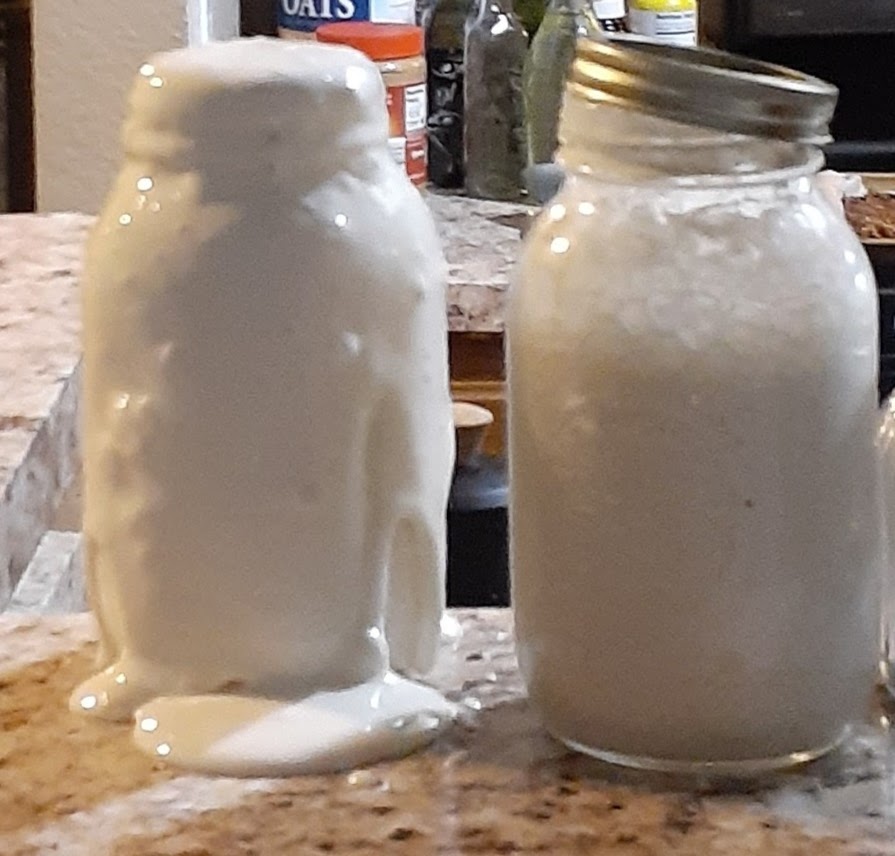
Anywho, for a few months, I subjected my family to all sorts of sourdough discard experiments. It got to the point both my wife and son started to complain about what we were eating. Beginning with a jar of starter exploding on the kitchen counter and ending in a furious phone call from my wife, I knew it was time to try something else. I fell back on using the flour I had on hand without thinking about what it was and how I would be using it.
At this point, I became a student of baking as well as a practical baker/cook, something I still have in me to this day. I was purchasing top all-purpose flour brands: White Lily, King Arthur, Pillsbury, and Oklahoma brand Shawnee’s Best. My “formal food education” began with reading a long-forgotten article about the parts of the wheatberry. Wait. What do you mean by wheatberry? I thought it was a grain! I was so confused!
Learn more about grains and what they can be used for with my quick grain guide.
Bear with my soap-opera-level monologue for a bit. Thinking about it in hindsight, me going from beginning baker to grinding flour at home evolved over a few years with my mindset changing along the way. I wasn’t trying to become one of those people who makes everything harder than it has to be. Flour stopped feeling simple to me. The more I paid attention, the more I realized the bag of all-purpose flour most of us grew up with is a product built for convenience, consistency, and predictable results. While useful, it is not the same as whole grain flour.
Freshly milled flour and grinding flour really got my attention during a family trip to San Antonio, Texas. I had biscuits made from Pioneer Mills flour at the restaurant connected to their factory. Something about the taste made me pause. It was not fireworks. It was quieter than that. The flavor was deeper, and the texture felt more like real food.
The real food angle stuck with me and played out through conversations over the years about national brands of breads I do not like. Wonder Bread is at the top of my list of disliked national brand sandwich breads. It sticks to the roof of your mouth and overall just doesn’t taste good. Later, once I started learning what happens when wheat is processed into flour, that old memory made more sense.
Fresh-milled flour gave me a way to take control. The wheat berry stays whole until I mill it. The bran, germ, and endosperm are all still there with the flavor intact. The behavior is different, but the tradeoff makes sense to me. Unless I decide to add something fancy, all baked goods I produce have four ingredients. Flour, water, salt, and yeast instead of dozens of ingredients I can’t pronounce.
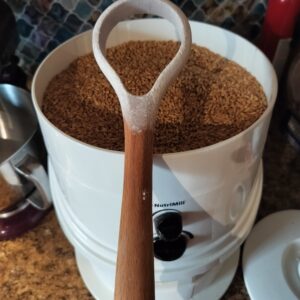
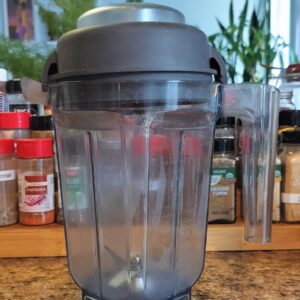
I am not going to lie to you. The upfront investment in grinding flour at home can be costly, so I wanted to start with something budget-friendly. I started with a Vitamix dry container that let me experiment without going broke. Once I knew this was not a two-week holiday obsession, I moved up to the NutriMill Classic. Moving from one tool to another should always be a natural progression. Not something done because it’s popular.
Start where you are. Don’t order fifty pounds of grain because somebody on the internet made fresh-milled flour sound like the new promise land. Buy a little. Mill a little. Bake something familiar. See whether your household will actually eat it. If they won’t eat it, the experiment has failed no matter how cool it sounds.
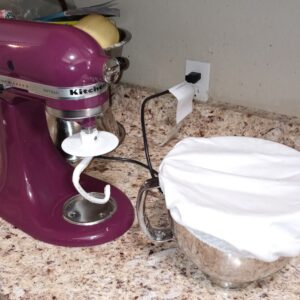
Finally, grinding flour at home changed how I look at baking. When I upgraded from the once a year holiday stand mixer to a KitchenAid, I started to pay attention to hydration, texture, and the way different grains behave. It also made me more patient, which is annoying to my wife but useful. Fresh flour does not act like all-purpose flour, and that is the point. You are not working with the same material anymore.
For those who care about food and what they cook, it’s not about pretending everybody should be grinding flour. It just shows what happens when you get curious enough to question the defaults. All-purpose flour was one of my defaults. I stopped assuming it was just flour, and a new lane opened up in my kitchen.
The 450 Test Kitchen was built to give me a place to experiment and grow in the kitchen. Testing, messing up, and figuring out what is worth keeping. Grinding flour has allowed me to move from a person who put things together until something somewhat edible comes out to someone who knows some culinary techniques capable of producing some snazzy foods.
Suggested Kitchen Reference Books:
Bread: A Baker’s Book of Techniques and Recipes, Flour Water Salt Yeast: The Fundamentals of Artisan Bread and Pizza [A Cookbook], Salt, Fat, Acid, Heat: Mastering the Elements of Good Cooking
Ready to take the next step? Snag a copy of Kitchen Conversion and begin the journey of converting your kitchen from AP flour to freshly milled flour. Your tastebuds will thank you