Fresh-Milled Dutch Baby (Best Blend)
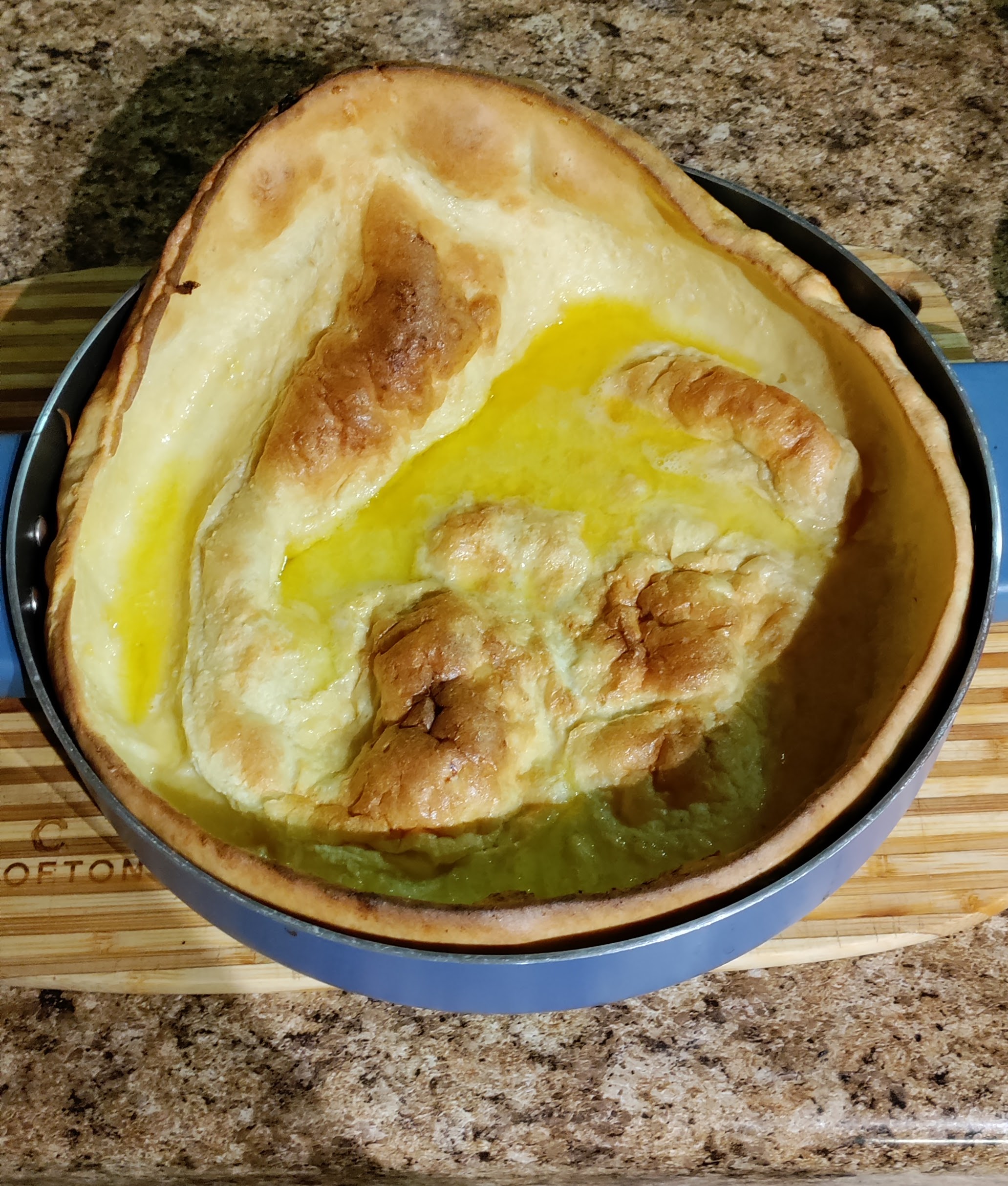

Today in the 450 test kitchen, I wanted to know how mixing different flours would work, so I decided on a Dutch baby. A Dutch baby is basically a pancake that decided to study architecture. The rise comes from steam + eggs—not heroic gluten—so flour choice matters, but differently than it does for bread.
If you’re fresh-milling and choosing between hard red, hard white, and oat groats, here’s how each one behaves—and the blend that gives the best mix of lift + tenderness.
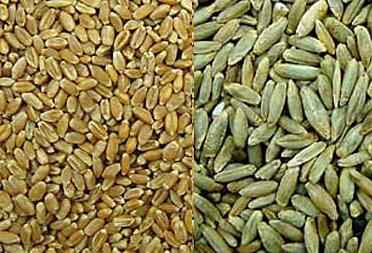
Hard red wheat
What it brings: higher protein, more bran, strong “wheaty” flavor, sometimes a slight bitterness.
What happens in the oven: you’ll get lift, but it can feel heavier. Bran cuts through structure and adds density.
Best for: a rustic, serious, “Yorkshire pudding” vibe—less drama, more substance.
Hard white wheat
What it brings: similar strength to hard red wheat, but with a milder flavor and less bitterness.
What happens in the oven: better overall rise and a cleaner flavor profile.
Best for: whole-grain Dutch babies that still puff up and impress people.
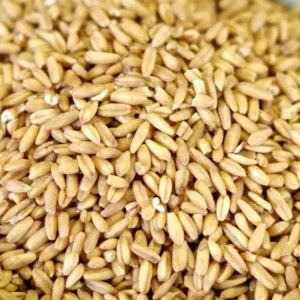
Oat groats (milled to oat flour)
What it brings: no gluten, lots of starch, and a tender, custardy texture.
What happens in the oven: it will puff up a bit, but it won’t climb the walls like wheat. The payoff is flavor and a softer interior.
Best for: tenderness and moisture—especially when blended with wheat.
The best blend: structure + tenderness
If you want lift and a custardy center, this is the sweet spot:
70% hard white + 30% oat (milled fine)
It respects physics and flavor. Hard white gives you structure. Oat brings tenderness and a warm, slightly sweet depth.
Recipe: 70/30 Fresh-Milled Dutch Baby
Pan: 10–12″ cast iron
Ingredients
- 100 g total flour
- 70 g fresh-milled hard white wheat
- 30 g fresh-milled oat groats (milled fine)
- 3 large eggs (room temp if possible)
- 1/2 cup whole milk (120 g)
- 1 tbsp melted butter (plus more for the pan)
- Pinch of salt
Method
- Blend/whisk everything until smooth.
- Rest batter 15–20 minutes. (Fresh-milled flour needs it. Oat especially.)
- Put your cast iron in the oven and preheat to 425–450°F. Add 1–2 tbsp butter to the pan while it heats.
- When butter is sizzling (not brown), pour in the batter and shut the oven door like you mean it.
- Bake 18–22 minutes. No peeking.
What to expect
- A solid wall-climb from the hard white.
- A softer, custardy interior from the oat.
- Warm, slightly sweet, “nutty” flavor without bitterness.
- It will rise dramatically and then settle. That’s normal—steam does the lift and gravity finishes the story.
Want to add rye? Do it like a bass note
Rye has weak gluten and absorbs water aggressively, but it brings serious flavor—earthy, toasty, almost malty.
If you don’t have much, fold it into the same blend like this:
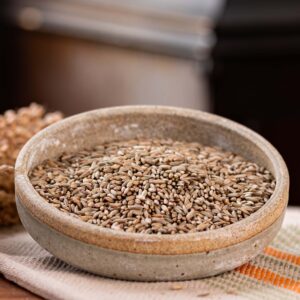
Easy rye add-in (10%)
For 100 g total flour:
- 60 g hard white
- 30 g oat
- 10 g rye
Tip: Rye thickens the batter after resting. If it goes from “heavy cream” to “pancake batter,” add 1–2 tbsp milk and stir once.
Will this feed three?
With 3 eggs + 100 g flour in a 10–12″ pan: yes, especially if you’ve got fruit, yogurt, bacon, or another side on the table.
If it’s the main event and nobody’s playing around, scale it up:
Scale-up for three hearty portions
- 4 eggs
- 135 g total flour (keep your same percentages)
- 3/4 cup milk
- same method, same pan
Eggs are the engine here. Add one and everything gets more generous. We found out that three portions was not enough. My son is a healthy eater, so I will scale it up even further next time.
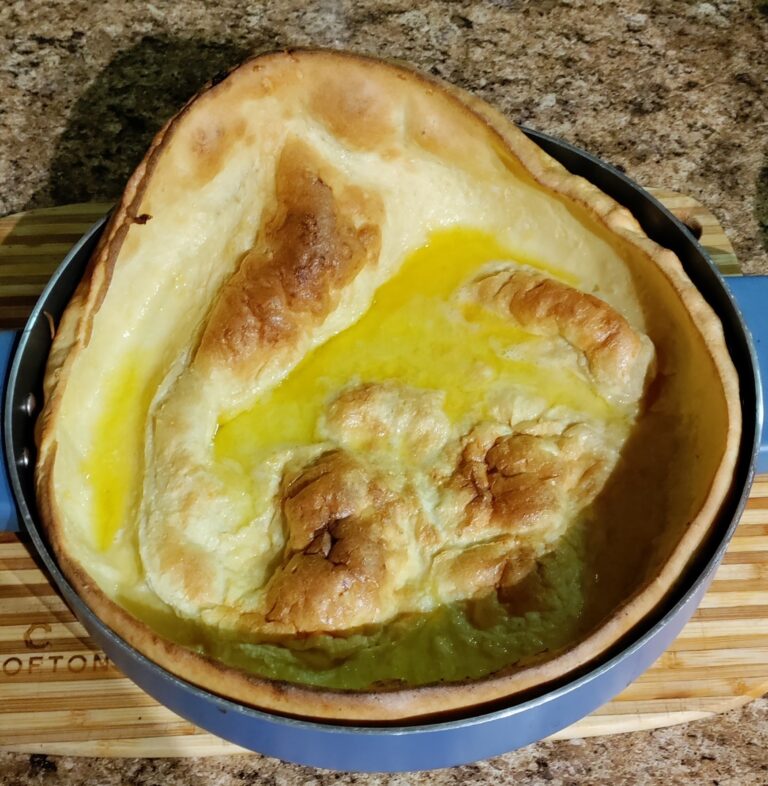
Because I was so excited to try this blend, I forgot to take photos of what I created today. The photo above is from a previous bake. If you run this, drop your flour blend and bake time in the comments—especially if you’re fresh-milling. I want to hear what gave you the best rise and the best center.