Grain 101 Guide for Fresh-Milled Flour
Fresh-milled flour starts with the grain. Once you start grinding your own flour, you realize wheat is not just wheat, and flour is not just flour.
Some grains build strong bread dough. Some make better biscuits, pancakes, muffins, cookies, or porridge. Some are best used as part of a blend instead of carrying the whole recipe by themselves.
This is not a complete grain encyclopedia. It is a practical starter guide for home cooks and home bakers trying to understand what different grains can do.
A good resource to have on your cookbook shelf is The Essential Home-Ground Flour Book.
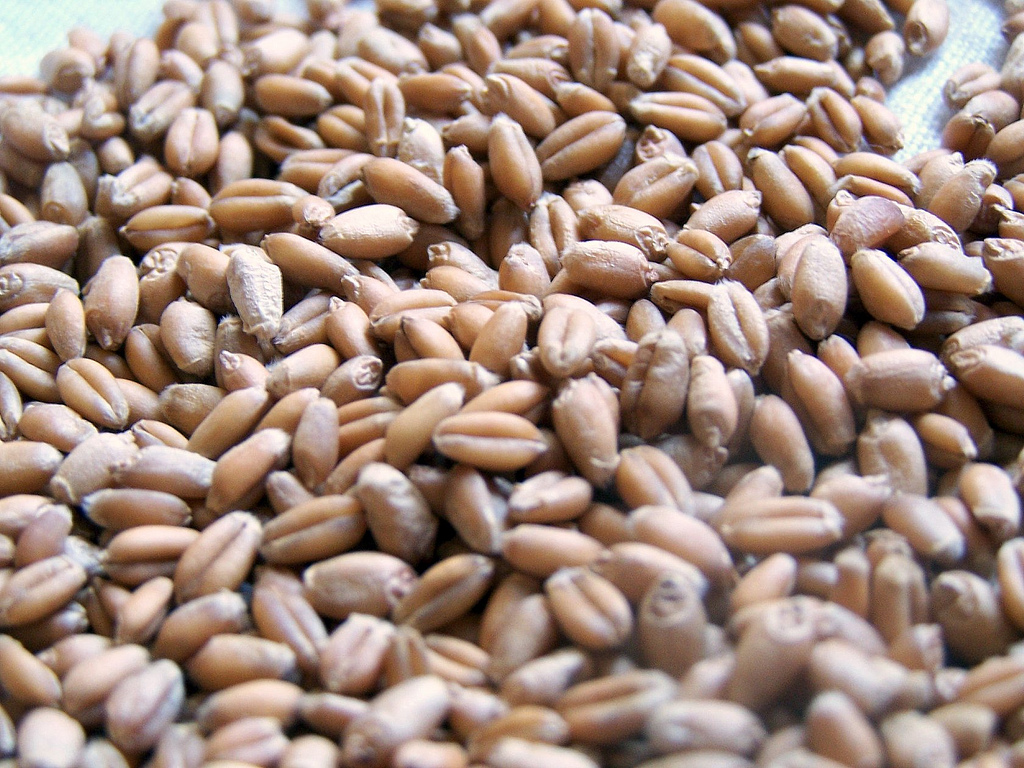 Wheatberries
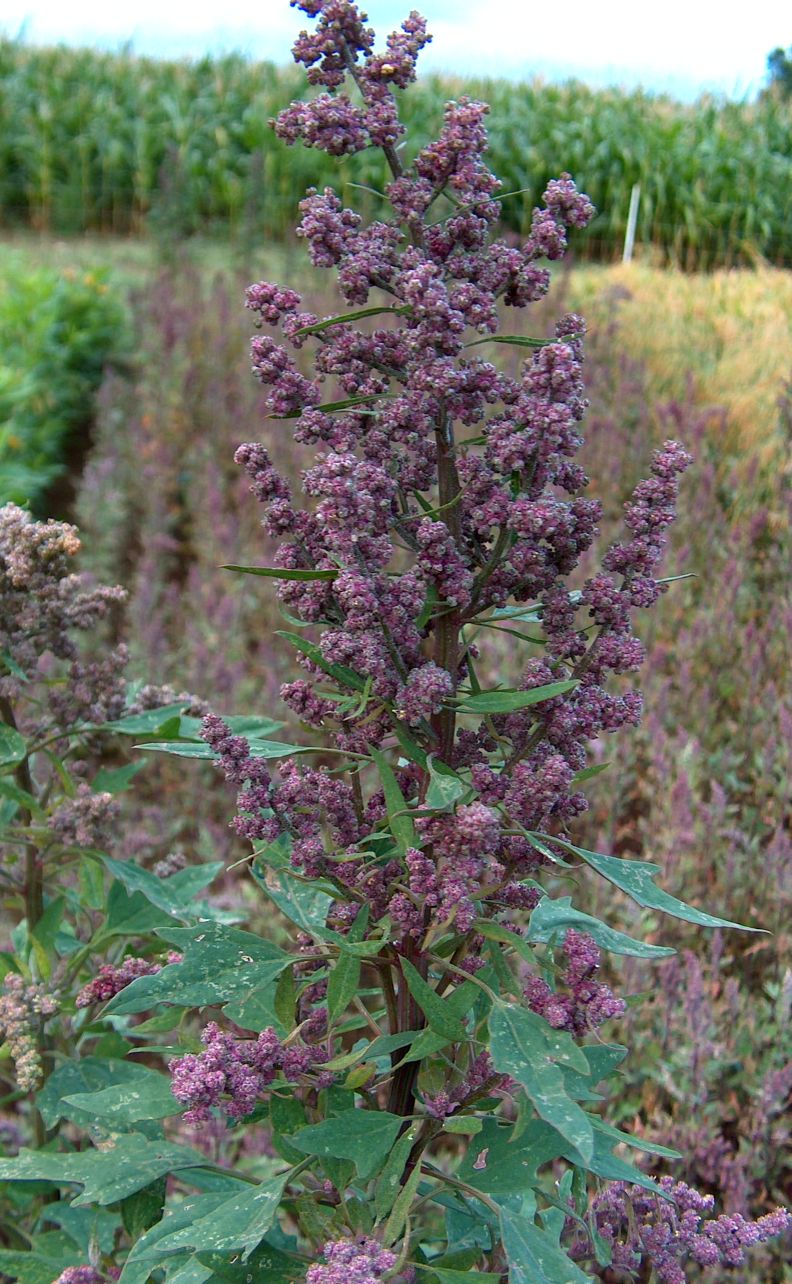
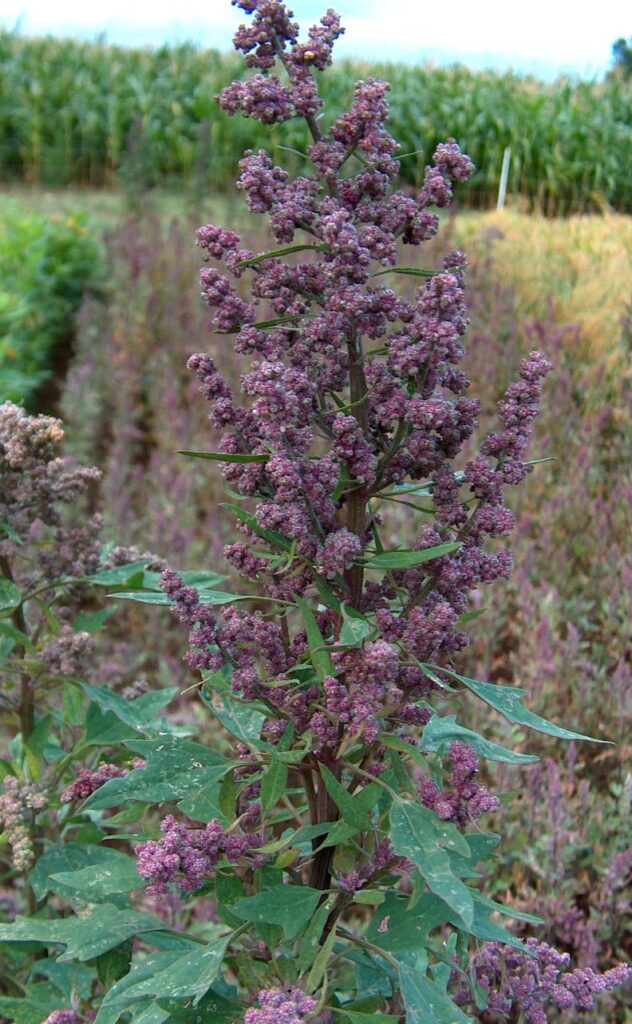 Quinoa
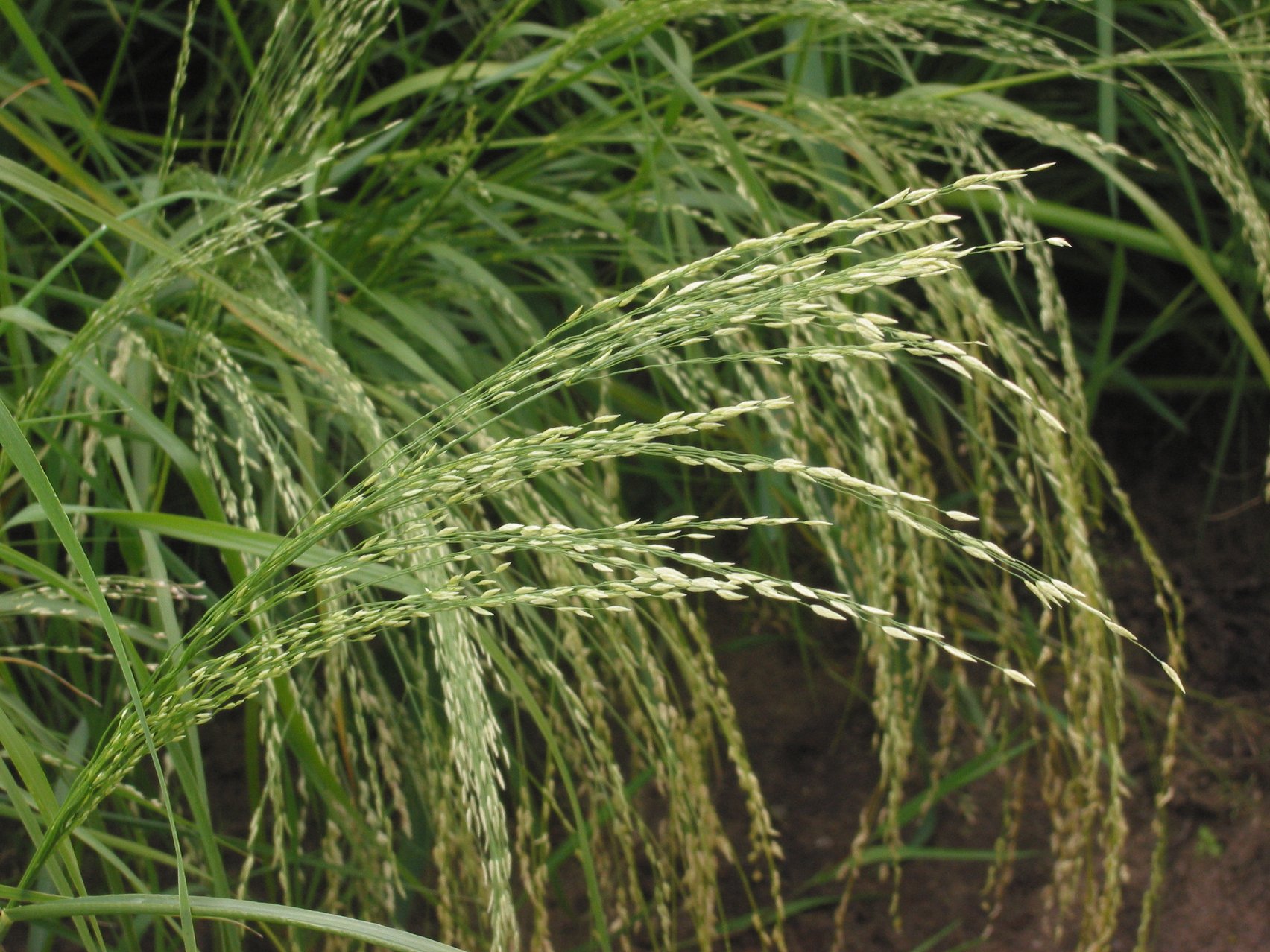
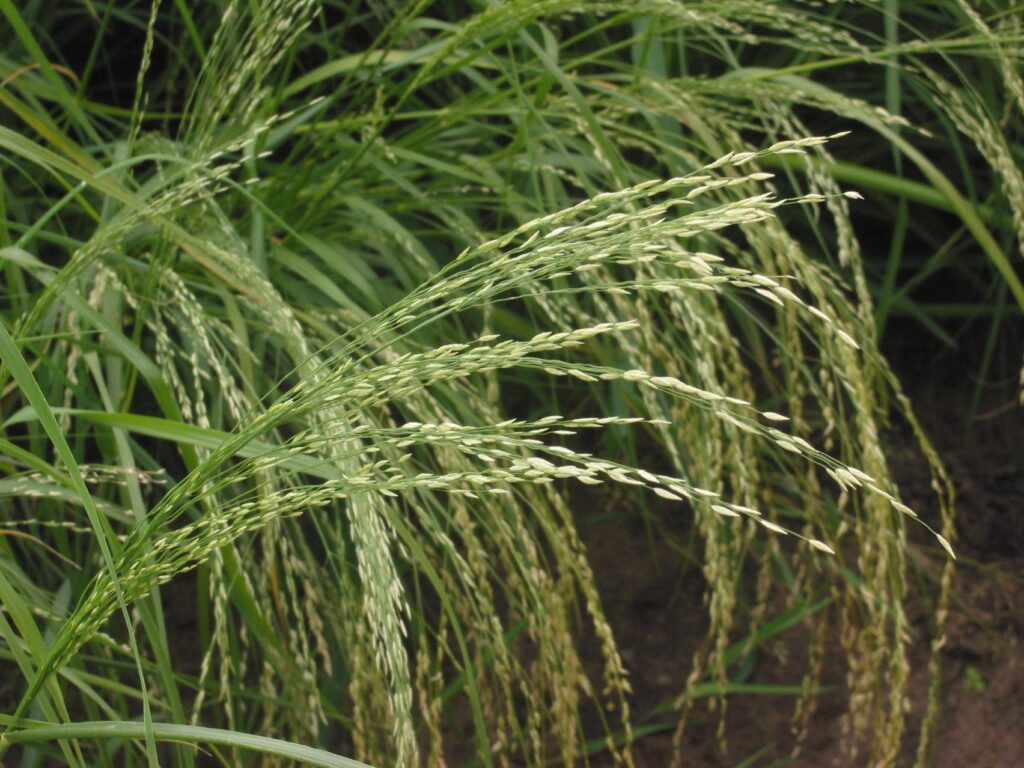 Teff
Teff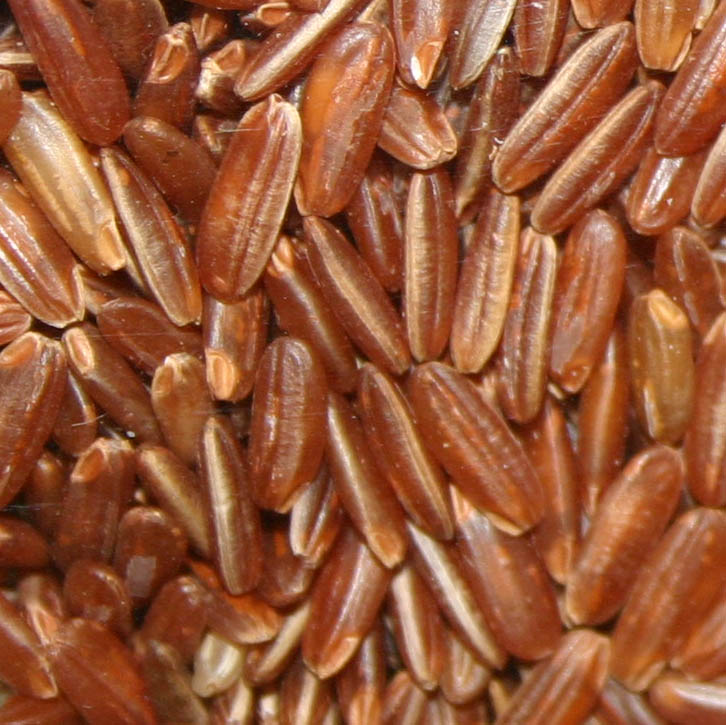 Brown Rice
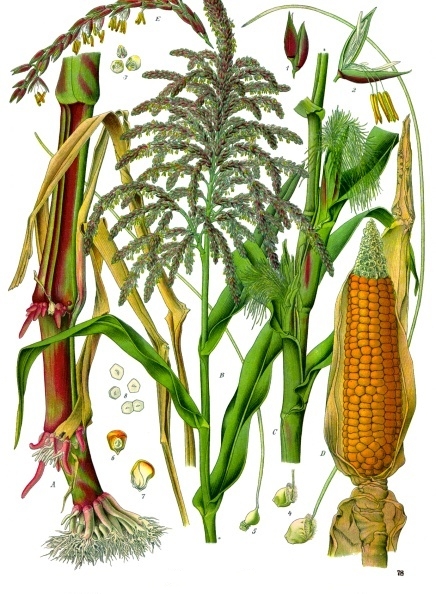 Corn
Corn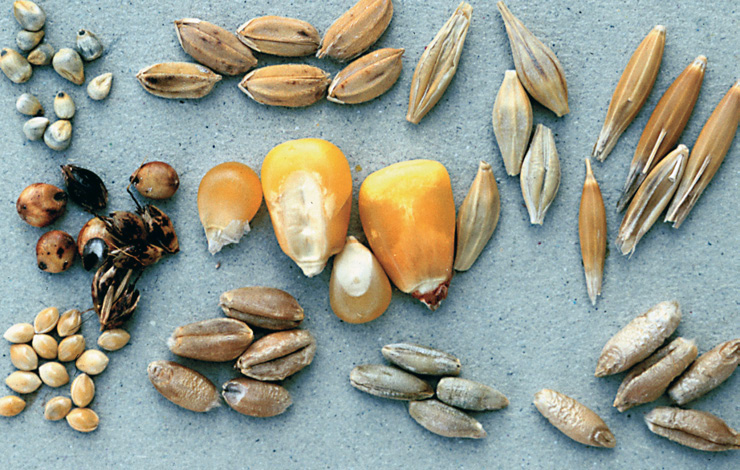 Cereal Grains
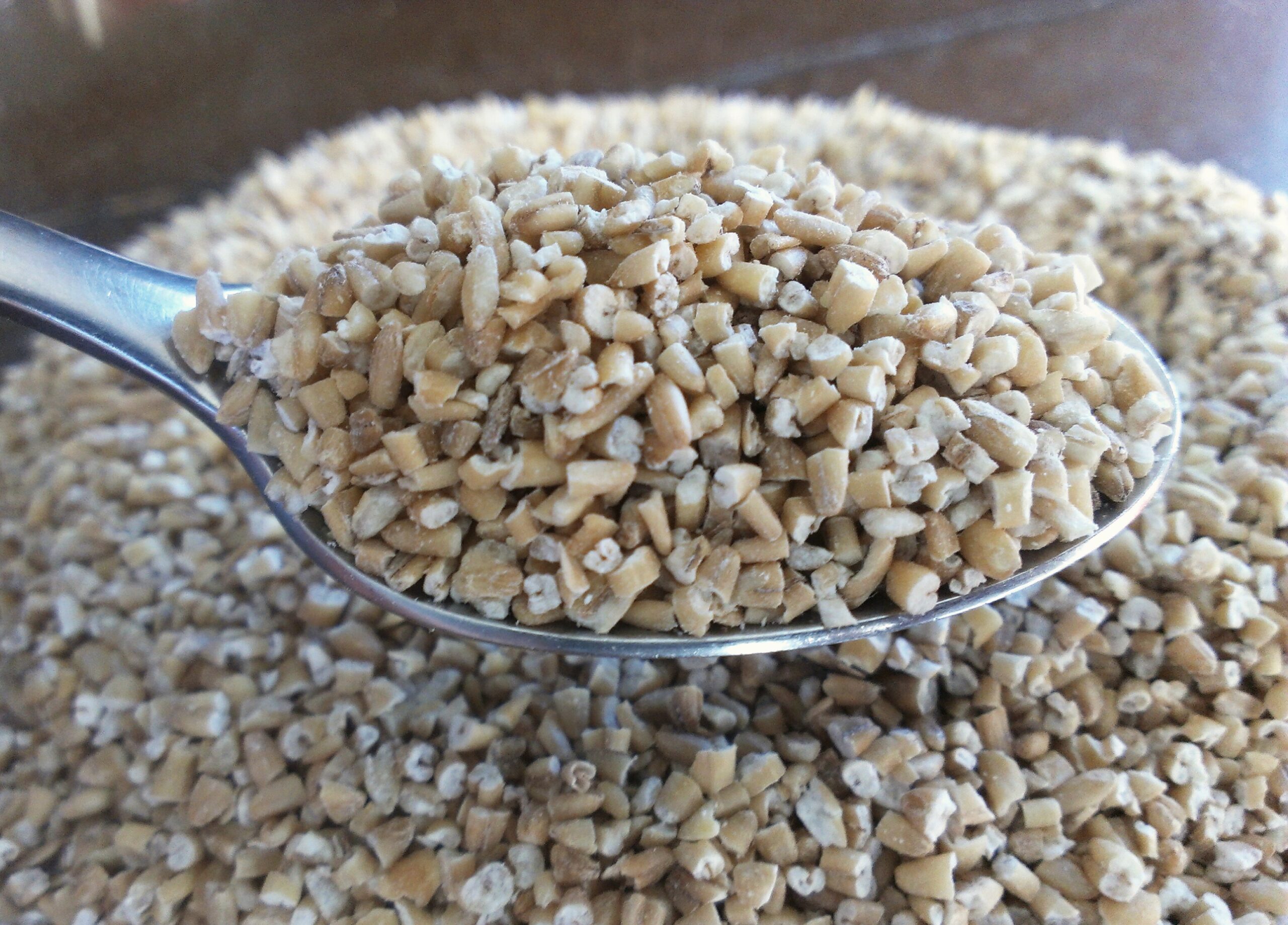
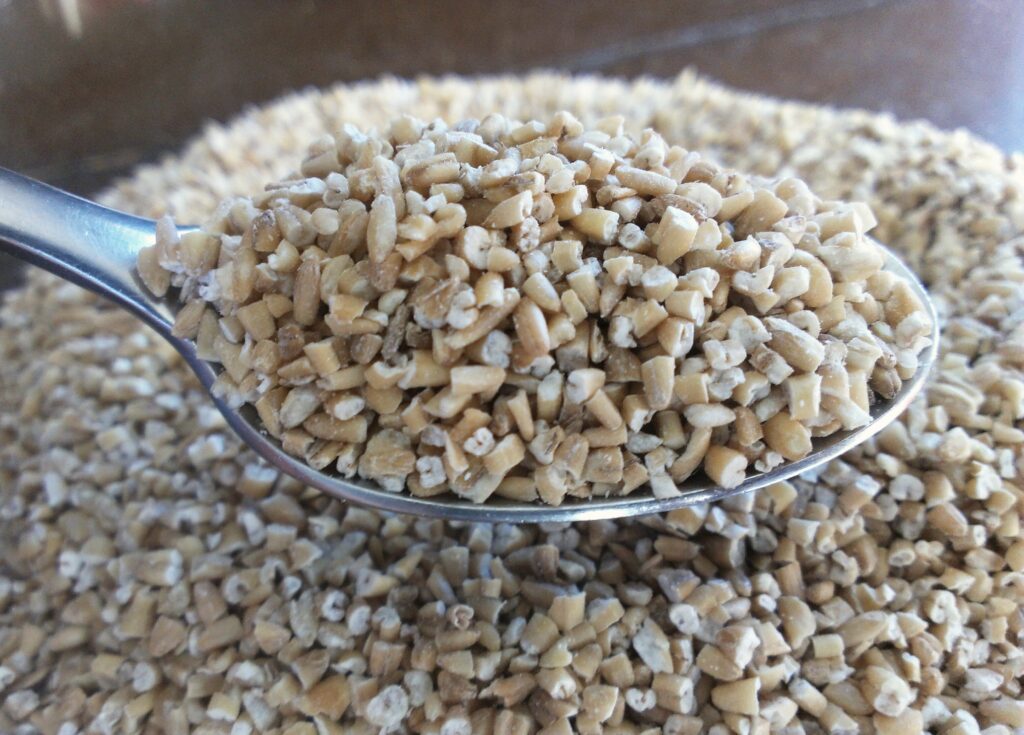 Oats
Oats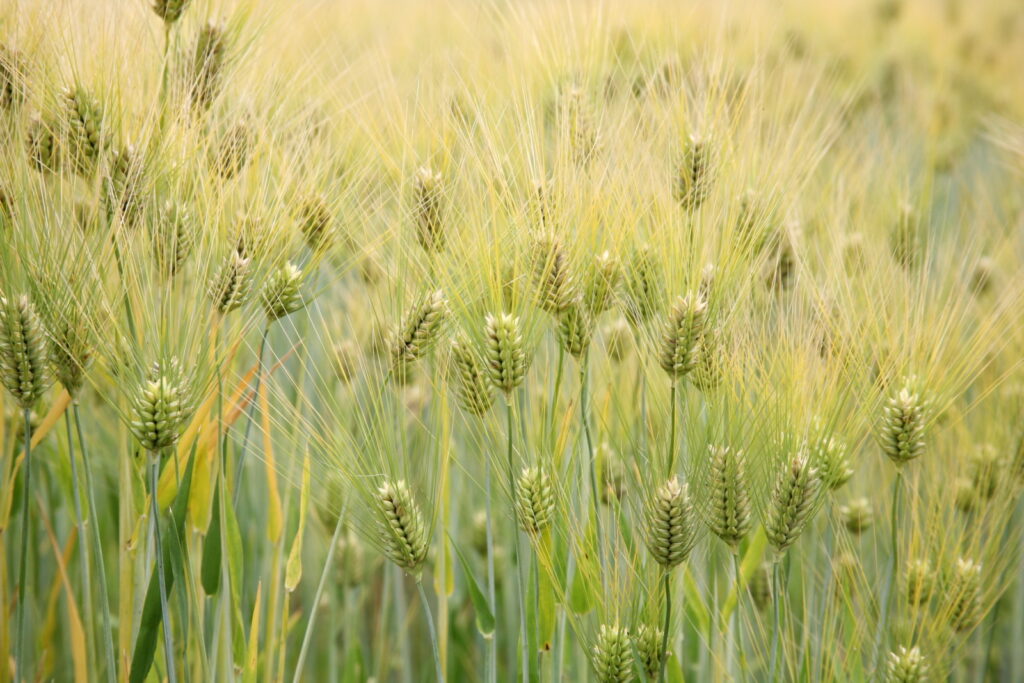 Barley
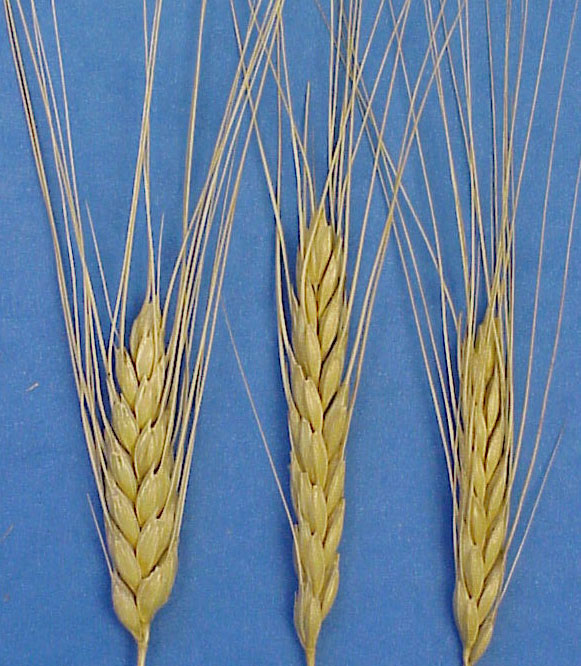 emmer
emmer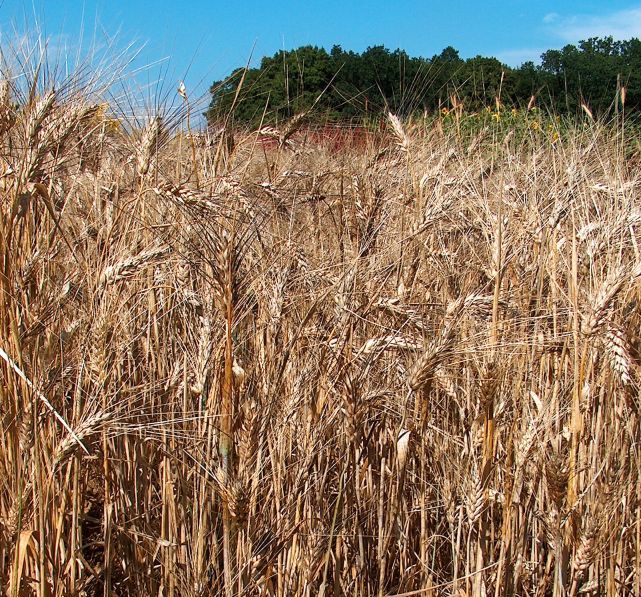 durum
durum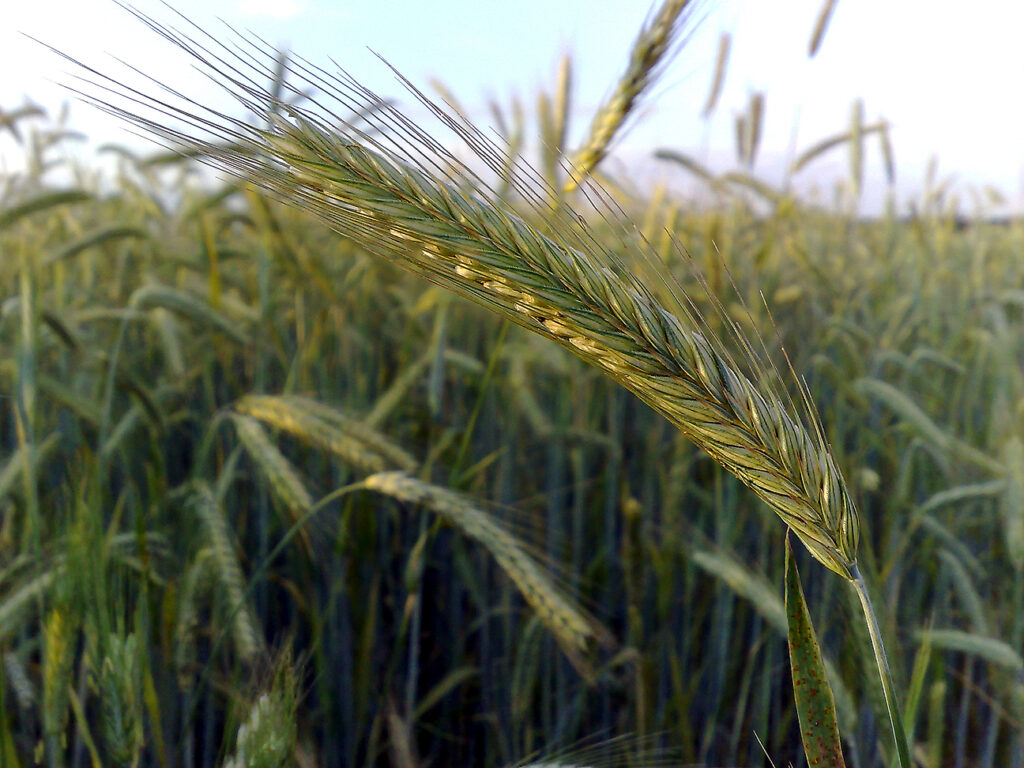 rye
rye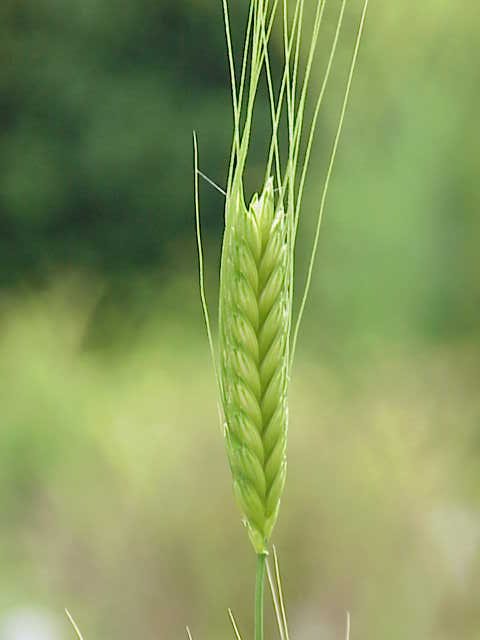 einkorn
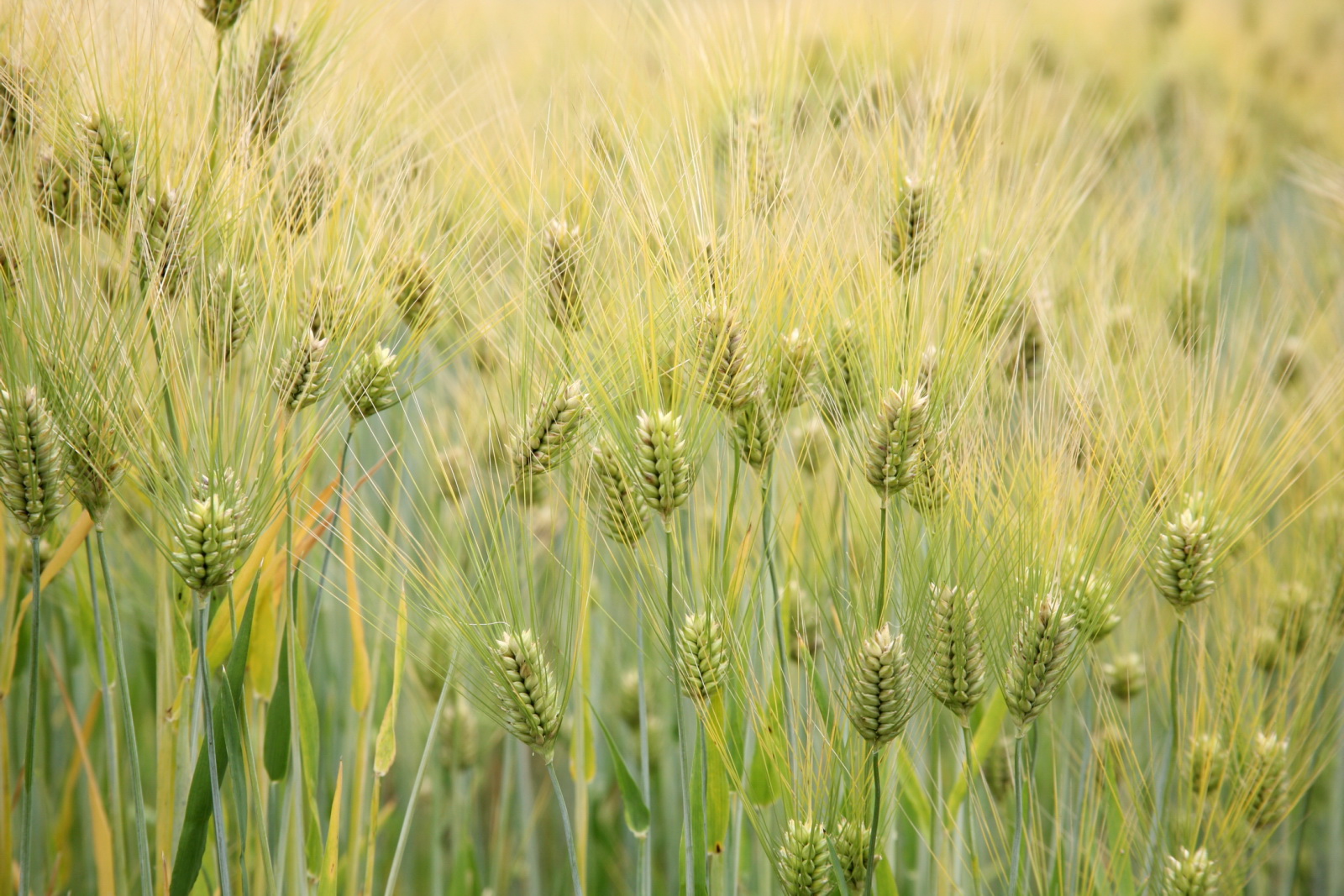
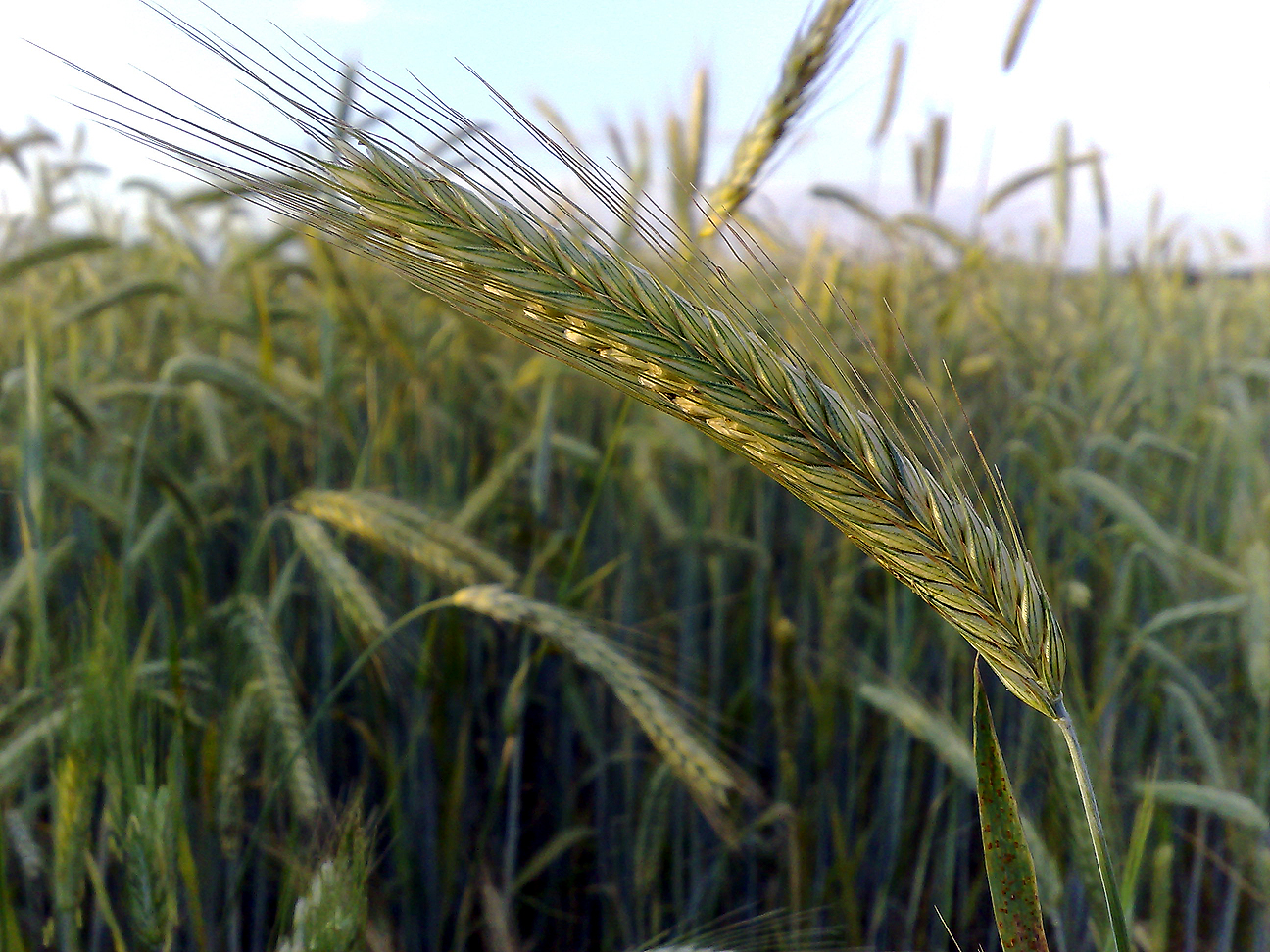
Kickback Note: Some links on this page may be affiliate aka kickback links. If you buy through them, FFPC will earn a kickback at no extra cost to you. I earn from qualifying purchases and only show relevant items. For the folks in the back this is an affiliate note.
Common Wheat Grains
| Grain | What it is | Best use |
|---|---|---|
| Hard Red Wheat | A strong wheat with a deeper, more traditional whole-wheat flavor. It has enough strength for bread dough. | Sandwich bread, sourdough, pizza dough, rolls, hearty pancakes. |
| Hard White Wheat | Similar strength to hard red wheat, but milder in flavor and lighter in color. | Everyday bread, rolls, pizza, muffins, quick breads when you want whole grain without a heavy taste. |
| Soft White Wheat | A lower-protein wheat that makes a softer flour. It does not build bread structure the same way hard wheat does. | Biscuits, pancakes, muffins, cookies, pie crust, cakes, tender quick breads. |
| Durum Wheat | A hard wheat often used for semolina. It has a firm bite and golden color. | Pasta, flatbreads, pizza blends, some rustic breads. |
Want help converting regular recipes to fresh-milled flour?
Kitchen Conversion is my practical guide for moving from all-purpose flour to fresh-milled flour without turning every recipe into a science project.
Older Wheat and Ancient-Style Grains
| Grain | What it is | Best use |
|---|---|---|
| Einkorn | One of the oldest cultivated wheats. It has a softer gluten structure and a rich, slightly nutty flavor. | Pancakes, muffins, quick breads, cookies, lower-rise breads, blended bread flour. |
| Emmer / Farro | An older hulled wheat often sold as farro. It has a chewy texture when cooked whole and a hearty flavor when milled. | Grain bowls, soups, rustic bread blends, crackers, pancakes. |
| Spelt | An older wheat with a mild, nutty flavor. It is easier to use than some ancient wheats but still behaves differently from modern wheat. | Pancakes, waffles, muffins, cookies, sandwich bread blends, rustic loaves. |
| Khorasan Wheat | A large ancient wheat often sold under the Kamut brand. It has a buttery, nutty flavor and golden color. | Pasta, pancakes, waffles, bread blends, crackers, flatbreads. |
| Rye | A grain with strong flavor and less gluten strength than wheat. Rye dough is usually stickier and denser. | Rye bread, sourdough blends, crackers, crispbread, pancakes, hearty muffins. |
| Barley | A mild grain often used whole in soups or milled in small amounts for baking. Barley flour does not act like bread flour. | Soups, stews, pancakes, muffins, quick breads, small-percentage flour blends. |
| Oats | Usually used as rolled oats, steel-cut oats, oat groats, or oat flour. Oats add softness and mild sweetness. | Oatmeal, granola, muffins, cookies, pancakes, bread blends. |
Gluten-Free or Non-Wheat Grains and Pseudograins
These grains and seed-like foods can be useful, but they do not act like wheat flour. Some work best in blends, porridges, pancakes, or flatbreads. If gluten is a medical concern, buy certified gluten-free products because cross-contact can happen in processing.
| Grain | What it is | Best use |
|---|---|---|
| Corn / Maize | A familiar grain used as cornmeal, masa, grits, or flour. | Cornbread, tortillas, pancakes, muffins, polenta, grits. |
| Rice | A mild grain that can be milled into flour or cooked whole. Brown rice gives more whole-grain flavor than white rice. | Gluten-free flour blends, rice bowls, porridge, crackers, pancakes. |
| Sorghum | A mild grain used in gluten-free baking and porridges. | Gluten-free flour blends, pancakes, muffins, flatbreads, cooked grain bowls. |
| Millet | A small, mild grain that can be cooked whole or milled. It has a gentle flavor. | Porridge, grain bowls, pancakes, muffins, gluten-free flour blends. |
| Teff | A tiny grain best known for injera, the Ethiopian sourdough flatbread. It has a deep, earthy flavor. | Injera, pancakes, porridge, chocolate-friendly baked goods, flour blends. |
| Buckwheat | Not wheat, despite the name. It is a pseudograin with a strong, earthy flavor. | Pancakes, crepes, soba-style noodles, porridge, rustic flour blends. |
| Quinoa | A pseudograin with a grassy, nutty flavor. It can be cooked whole or milled, but the flavor can be strong. | Grain bowls, pancakes, muffins, small amounts in flour blends. |
| Amaranth | A tiny pseudograin that can be cooked, popped, or milled. It has a bold, earthy flavor. | Porridge, popped grain topping, pancakes, small amounts in flour blends. |
Want help converting regular recipes to fresh-milled flour?
Kitchen Conversion is my practical guide for moving from all-purpose flour to fresh-milled flour without turning every recipe into a science project.
Simple Starting Rule
If you are new to fresh-milled flour, do not start by changing everything at once.
Start with one grain. Bake something familiar. Pay attention to flavor, texture, water absorption, and how the dough feels. If the grain has a strong flavor or does not build structure well, use it as part of a blend instead of making it carry the whole recipe.
Hard wheat is usually the easiest place to start for bread.
Soft wheat is usually the easiest place to start for biscuits, pancakes, muffins, and cookies.
Ancient grains are interesting, but they often need patience.